
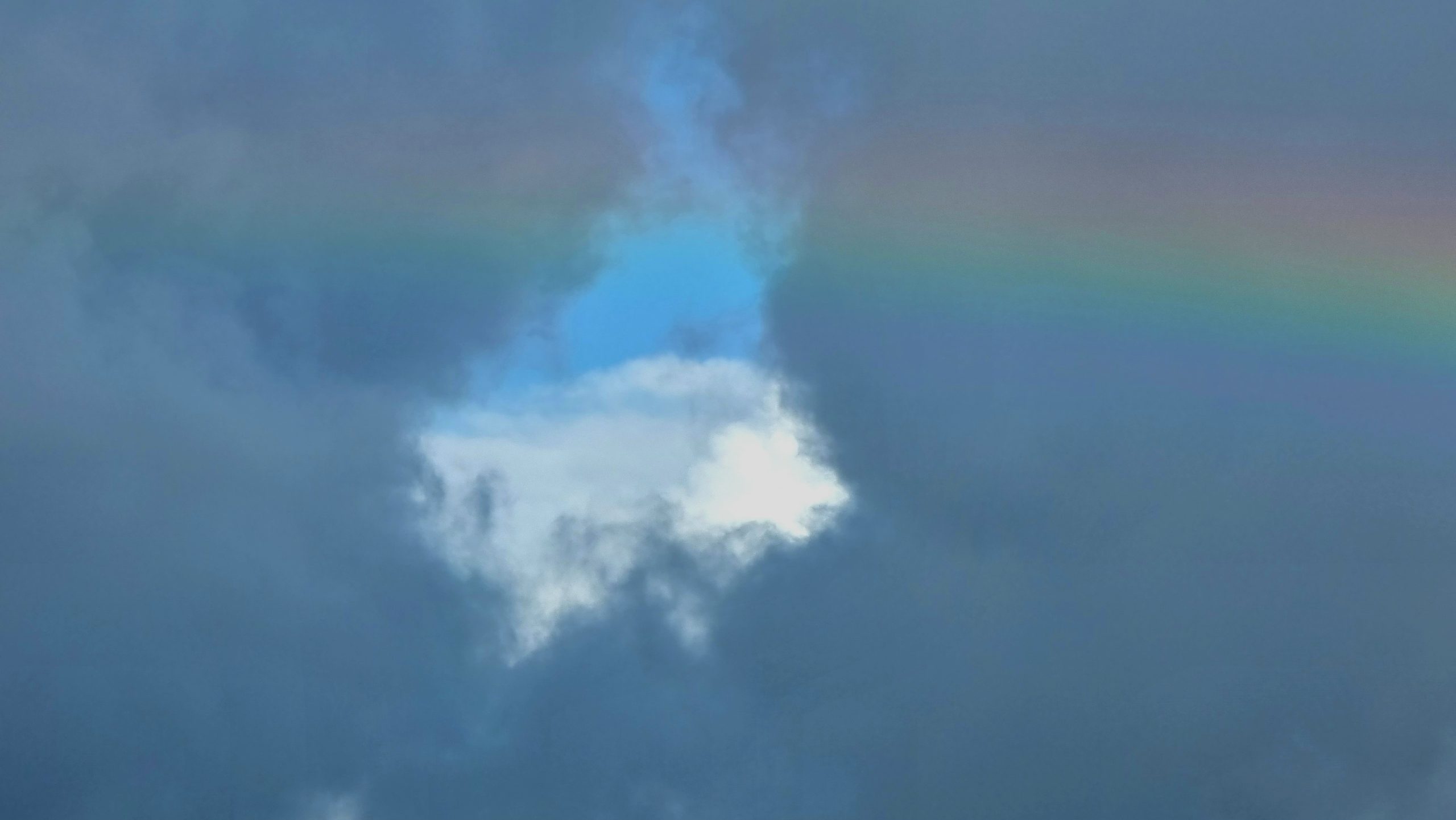
I am very privileged to be friends with Devon poet, photographer and deep thinker, JP Heyns. He knows much about love and loss, and shares this poem as his reflection on ultimate love.
At creation, the Holy One bent low
and kissed the dust of the earth,~
breathing His holy Ruach—the breath of life—
into the nostrils of the first human,
setting us apart as bearers of His image.
And still He bends down,
tenderly kissing each newborn child
who enters this world,
imparting the sacred gift
that comes from Him alone.
Just as He kissed Moses with divine love
at the close of his earthly journey,
so He kisses His children
when their days are ended,
and the spirit returns to the Giver of Life.
Those who rest in Jesus
sleep as though already risen,
sharing even now in Christ’s eternal life and destiny.
The earth made new
is our true and final home.
I am going home.
I am going home.
Death, where is your victory;
Death, where is your sting?
Death is a defeated enemy.
Death cannot hold us in the grave.
After one brief sleep,
we shall awake to glory;
death shall be no more,
for death itself must die.
For as Christ has been raised,
the glorious firstfruits and sacred
guarantee of all who fall asleep in Him,
so we too shall rise to live forever
in the presence of God.
— JP Heyns 28/08/26
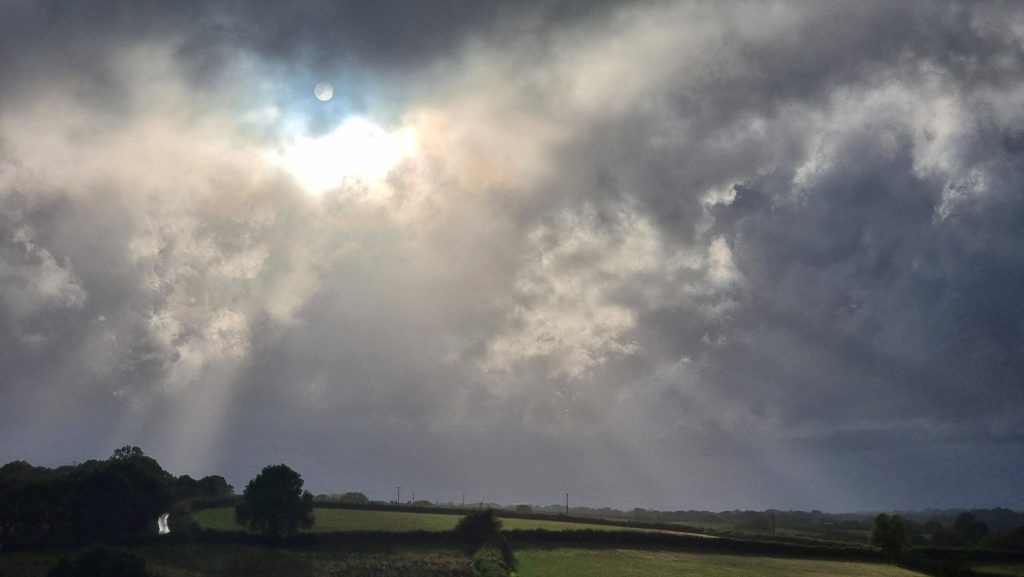
Birth, Death and Resurrection explained in my poem, “Held Between Two Kisses” from a Judeo-Christian perspective
Our lives are held by two kisses that form a perfect bookend, namely in the beginning (Bereshit) at creation/birth and at death (Mitat Neshikah) when the spirit returns to its divine Source.
Death is the end of life and an unconscious state of rest, often called “soul sleep.” It is the separation of the body and the spirit. “For the living know that they will die, but the dead know nothing; they have no further reward, and even their name is forgotten” (Ecclesiastes 9:5 NIV). There is no consciousness after death. Just as the body returns to the earth, the spirit returns to God. “Then shall the dust return to the earth as it was: and the spirit (breath) shall return unto God who gave it” (Ecclesiastes 12:7). This verse describes physical death as the exact reversal of human creation (Genesis 2:7). The New Testament also teaches that the spirit (breath) returns to God upon death. Jesus surrendered His spirit to God the Father at death (Luke 23:46). At the stoning of Stephen (Acts 7:59), he called out, “Lord Jesus, receive my spirit.”
The Hebrew concept of ruach (spirit/breath) is traditionally understood in biblical theology as the divine life-force, or life principle that sustains human life. It doesn’t cease to exist, but it also doesn’t continue a conscious, independent existence after death; it simply returns to its Source.
The spirit (ruach) is the God-given life principle that sustains life. At death, this life principle returns to God, who gave it, while the body returns to the dust, awaiting the resurrection.
Our earthly or mortal bodies will rest in the grave until the second coming when the redeemed will be resurrected to eternal life. I’m speculating, but I suspect God probably has a secure celestial vault, or repository where each of our genomic information (our genetic code) is safely stored and preserved. At the resurrection, God who holds our spirit, will breathe new life into our lifeless bodies and will restore our identity, personality, memories and experiences that defined us as a person. With the DNA record which he preserved, he will be able to reconstruct us “in an instant, in the twinkling of an eye” (1 Corinthians 15:52), when he kisses each of us with the divine spark of Life — his ruach.
My poem carries a theological arc—moving from the Ruach (breath/spirit) at creation to the Neshika (the divine kiss of death in Jewish tradition), seamlessly transitioning into Christian resurrection hope. The poem’s central motif is the kiss of life (Bereshit) at creation/birth, and the kiss of death (Mitat Neshika) at the end. In Rabbinic tradition (based on Deuteronomy 34:5, where Moses dies al-pi Adonai—literally “at the mouth of the LORD”), God takes the souls of the righteous with a kiss.
Leave a Reply